Slopes and Speed, Inside the Thrilling World of Downhill Skiing


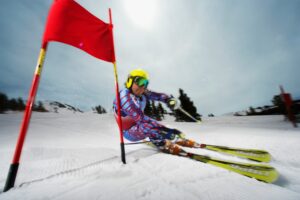
Downhill skiing delivers speed, control, and excitement in a way few sports can match. As skiers race down steep slopes, they feel the rush of wind, snow, and gravity working together. Because the sport combines athletic skill with mental focus, it attracts both casual riders and elite competitors. At the same time, downhill skiing offers an experience that feels freeing and powerful, which keeps people coming back season after season.
Over the years, downhill skiing has grown into a global sport with deep roots and modern appeal. While technology continues to improve equipment and safety, the heart of the sport remains the same. Skiers still chase speed, balance, and confidence on snow-covered mountains. As a result, downhill skiing continues to inspire adventure lovers of all ages.
The origins of downhill skiing
Downhill skiing began as a practical way to travel through snowy regions. Long ago, people used wooden skis to move efficiently across mountains and valleys. Over time, these tools evolved into recreational equipment as skiers discovered the joy of sliding downhill. Because early skiers relied on simple designs, technique and balance mattered greatly from the start.
As skiing gained popularity, organized competitions began to form. Skiers tested speed and control against one another, which pushed the sport forward. Eventually, downhill skiing became a featured event in international competitions. Therefore, what started as transportation transformed into a thrilling sport enjoyed worldwide.
What makes downhill skiing so exciting
Speed defines downhill skiing, yet control creates the real challenge. Skiers race down long, steep courses while navigating turns, terrain changes, and icy conditions. Because mistakes can happen quickly, focus and precision become essential. This balance between risk and skill creates intense excitement for both skiers and spectators.
In addition, the natural environment adds to the thrill. Snow conditions change throughout the day, and weather can shift without warning. Therefore, skiers must adapt constantly while maintaining confidence. Each run feels unique, which keeps the sport fresh and unpredictable.
Understanding the downhill skiing course
Downhill skiing courses stretch longer than most alpine events. These runs include wide turns, jumps, and fast straight sections. Because of the length and speed, skiers must maintain strength and focus from start to finish. Every section demands quick decisions and smooth movements.
Course designers aim to test both courage and technique. They place gates to guide racers while still allowing high speeds. As a result, skiers need strong edge control and body positioning. Learning how to read the course becomes just as important as physical ability.
Essential skills for downhill skiing
Downhill skiing requires a strong foundation of basic skiing skills. Balance, edge control, and proper stance allow skiers to stay stable at high speeds. Because the forces involved increase rapidly, small adjustments make a big difference. Skilled skiers remain relaxed while staying alert to changes in terrain.
In addition to physical skills, mental strength plays a major role. Skiers must trust their training and commit fully to each run. Therefore, confidence helps them stay aggressive without losing control. Over time, practice builds both technical ability and mental resilience.
The role of equipment in downhill skiing
Modern downhill skiing relies heavily on advanced equipment. Skis feature strong materials that provide stability and grip at high speeds. Boots offer firm support while allowing precise movements. Because equipment directly affects performance, skiers choose gear carefully based on conditions and skill level.
Safety gear also plays a critical role. Helmets, body protection, and proper bindings reduce the risk of injury during falls. As technology improves, equipment becomes lighter and stronger. Therefore, skiers can push limits while staying better protected than ever before.
Training for speed and control
Downhill skiers train year-round to stay competitive and confident. On snow, they focus on technique, line choice, and timing. Off snow, they build strength, flexibility, and endurance. Because downhill runs place heavy demands on the body, fitness supports consistency and injury prevention.
Mental training also supports performance. Visualization helps skiers prepare for each course before racing. As a result, they approach runs with clarity and focus. This combination of physical and mental preparation separates strong skiers from elite competitors.
Downhill skiing at the professional level
Professional downhill skiing showcases the sport at its highest level. Athletes compete on some of the steepest and fastest courses in the world. Because margins between competitors remain small, every detail matters. A slight change in line or timing can determine the outcome.
Fans enjoy watching these races for the visible speed and skill. Events draw large crowds and global audiences. Therefore, professional downhill skiing continues to grow as a spectator sport. It highlights the dedication and bravery required to compete at such high speeds.
Recreational downhill skiing for everyday riders
While professional racing looks intense, recreational downhill skiing remains accessible. Ski resorts offer groomed runs that allow skiers to enjoy speed safely. Because slopes vary in difficulty, riders can choose runs that match their comfort level. This flexibility makes the sport welcoming for beginners and experienced skiers alike.
Recreational skiers often focus on enjoyment rather than competition. They explore terrain, improve technique, and enjoy time outdoors. As a result, downhill skiing becomes both an athletic activity and a social experience. Many skiers return each winter for the sense of freedom the sport provides.
Safety and responsibility on the slopes
Safety remains a key part of downhill skiing. Skiers must follow resort rules and respect other riders on the mountain. Because speed increases risk, awareness becomes essential at all times. Choosing appropriate runs and maintaining control helps prevent accidents.
In addition, proper preparation supports safety. Checking weather conditions, equipment fit, and snow quality reduces unexpected challenges. Therefore, responsible skiing allows everyone to enjoy the slopes. When skiers respect the mountain, the experience becomes safer and more rewarding.
Why downhill skiing continues to grow
Downhill skiing continues to attract new participants each year. The combination of adventure, fitness, and natural beauty appeals to many people. Because resorts improve access and instruction, more beginners feel comfortable trying the sport. This growth strengthens skiing communities around the world.
Social media and televised events also increase interest. Seeing athletes and recreational skiers share their experiences inspires others to join. As a result, downhill skiing remains a dynamic and evolving sport. It blends tradition with modern excitement in a unique way.
The lasting appeal of speed on snow
Downhill skiing offers a rare mix of speed, skill, and connection to nature. Skiers feel alive as they carve through snow and race downhill. Because each run feels different, the excitement never fades. This sense of motion keeps people passionate about the sport.
Ultimately, downhill skiing is more than just speed. It reflects confidence, preparation, and respect for the mountain. As technology and training continue to evolve, the sport will continue to thrill new generations. The slopes will always call to those who seek adventure and freedom.