Complete Guide to Downhill Mountain Biking Techniques and Gear


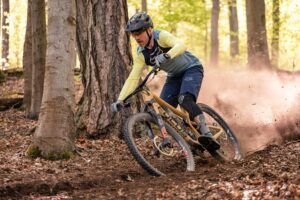
Riding steep trails demands focus, control, and the right setup to stay safe and fast. Many riders chase speed, yet real progress comes from mastering balance, braking, and terrain awareness. As skills improve, confidence grows, and each descent feels smoother and more controlled.
With smart preparation and a clear understanding of gear and technique, riders can handle challenging paths while enjoying every moment on the trail. Downhill mountain biking blends skill, innovative strategy, and equipment knowledge, making it both physically demanding and deeply rewarding for riders who commit to improvement.
Understanding Trail Conditions and Terrain
Trail conditions shape every ride, so riders must learn how surfaces affect control. Loose gravel, wet roots, and rocky paths require different approaches, and quick adjustments help maintain balance. When riders read the trail ahead, they react faster and reduce mistakes.
Weather also plays a key role in shaping trail difficulty. Dry trails offer grip, while wet surfaces demand extra caution and slower speeds. Therefore, checking conditions before riding helps avoid unnecessary risks and improves planning. Skilled riders adapt their technique to terrain changes, improving both safety and performance while allowing them to ride confidently in a variety of environments.
Body Position for Stability and Control
Strong body positioning keeps riders stable on steep descents. By lowering the center of gravity and bending the knees, riders absorb shocks and maintain balance. In addition, keeping elbows wide improves steering control and responsiveness. This position allows the bike to move freely under the rider while maintaining a strong connection to the terrain.
Shifting weight properly also enhances control during turns and drops. Leaning back slightly on steep sections prevents going over the handlebars, while staying centered improves traction on flatter ground. Meanwhile, keeping movements fluid helps riders adjust quickly to sudden terrain changes.
Braking Techniques for Safe Descents
Braking requires precision, not panic, especially on steep slopes. Controlled braking with both front and rear brakes helps maintain stability while avoiding traction loss. When riders apply pressure gradually, they reduce the risk of skidding and maintain better control during fast descents.
Timing also matters when approaching corners or obstacles. Riders should slow down before entering turns instead of braking mid-corner. This approach keeps the bike balanced and prevents sudden grip loss. Over time, riders develop better judgment, leading to safer, faster rides and reduced wear on braking components.
Essential Protective Gear for Safety
Protective gear plays a vital role in reducing injury risks. Helmets, gloves, padded clothing, and modern safety devices, such as smart helmets with impact detection, provide essential protection during falls. In addition, proper footwear improves grip and stability on the pedals, enhancing overall control on technical terrain.
Visibility and comfort also matter when choosing equipment. Breathable materials help regulate body temperature during intense rides, while moisture-wicking fabrics keep riders comfortable over long distances. Meanwhile, bright colors and reflective elements increase visibility on shared trails.
Cornering Skills for Better Flow
Smooth cornering allows riders to maintain speed while staying in control. By leaning the bike instead of the body, riders improve grip and stability through turns. At the same time, looking ahead helps guide movement and maintain a steady line.
Weight distribution also affects cornering performance. Placing pressure on the outside pedal improves traction and balance, while keeping the inside foot raised avoids obstacles. In addition, maintaining consistent speed prevents sudden slips or loss of control. With consistent practice, riders gain confidence and handle even sharp turns with ease and precision.
Suspension Setup and Bike Tuning
Proper suspension setup improves comfort and control on rough terrain. Adjusting sag and rebound allows the bike to absorb impacts more efficiently, resulting in smoother rides and better traction. When suspension works correctly, riders can maintain speed without losing control, even on highly technical trails.
Tire pressure, brake alignment, and drivetrain condition all affect performance and safety. Therefore, regular maintenance ensures reliable handling and prevents mechanical issues during rides. Riders who fine-tune their bikes gain better control, improved efficiency, and a more enjoyable riding experience overall.
Building Strength and Endurance
Physical fitness supports better performance on demanding trails. Strong legs and core muscles improve balance and control during descents, while upper body strength helps manage rough terrain. In addition, endurance allows riders to maintain focus over longer rides, which reduces mistakes caused by fatigue.
Activities like squats, lunges, and cycling drills build power and stamina, while interval training improves cardiovascular performance. Meanwhile, stretching enhances flexibility and reduces the risk of injury. Consistent training leads to noticeable improvements in overall riding ability and confidence.
Developing Confidence Through Practice
Confidence grows through consistent practice and gradual challenges. Riders should start with easier trails before progressing to more difficult ones, which builds skills without overwhelming them. As confidence increases, handling becomes smoother, and riders feel more comfortable tackling technical sections.
Learning from mistakes also plays a key role in improvement. Each ride offers valuable lessons in technique, timing, and decision-making. Therefore, riders who stay patient and focused continue to improve over time. With dedication and persistence, even the most challenging trails become manageable, turning downhill mountain biking into a highly rewarding and exciting experience.