Master the Drop: Building Confidence on Steep Downhill Mountain Bike Trails


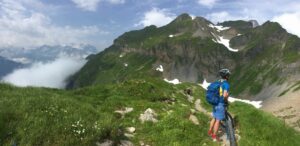
Downhill mountain biking can feel both exciting and intimidating. A smooth trail can suddenly turn into a steep slope filled with rocks, roots, sharp turns, and loose dirt. When the trail points downward, riders have less time to think and more forces to control. Confidence becomes just as important as physical skill. The good news is that confident riding does not come from taking reckless chances. It develops through preparation, practice, body control, and smart decisions.
Learning to handle steeper terrain takes time. Even experienced riders continue improving their technique as trails become more difficult. Instead of focusing only on speed, successful riders learn how their bikes react on changing surfaces. They also understand when to slow down, when to release the brakes, and when to choose an easier line. These habits can make downhill mountain biking safer, smoother, and far more enjoyable.
Build Strong Skills Before Chasing Steeper Terrain
Confidence starts with basic riding skills. Before heading toward a difficult downhill trail, become comfortable with braking, cornering, balance, and body position on easier terrain. Practice these skills until they feel natural. When you no longer need to think about every small movement, you can focus more attention on obstacles and trail conditions. This foundation becomes especially valuable when the slope gets steeper.
Progress should happen gradually. A rider who feels comfortable on moderate hills can begin adding short, steeper sections instead of immediately attempting an advanced trail. Repeating the same section several times can also help. Each run provides another chance to understand the terrain and improve technique. Small successes build trust in your abilities, and that trust often matters more than raw speed.
Use the Right Body Position on Descents
Body position has a major effect on control. When riding downhill, stay centered and balanced instead of leaning far backward. Keep your knees and elbows slightly bent so your body can move with the bike. Your arms and legs act like extra suspension. They help absorb bumps, drops, roots, and changes in the trail without sending every impact directly through your upper body.
Many beginners move too far behind the saddle because steep terrain feels dangerous. However, this position can reduce steering control and make the front wheel feel light. Instead, lower your chest slightly, keep your weight balanced through your feet, and allow your hips to move as the trail changes. A strong position gives you room to respond quickly without fighting against the bike.
Learn to Control Speed Without Fear
Braking is one of the most important downhill mountain biking skills. Riders often become nervous on steep trails and grab the brakes too hard. This can cause the tires to lose traction or make the bike difficult to steer. Smooth braking works better. Apply pressure gradually and use both brakes rather than depending only on the rear brake.
Try to reduce speed before entering difficult sections, corners, or obstacles. Once you reach the feature, release some braking pressure so the tires can roll and maintain grip. Constant heavy braking can make a steep descent feel rough and unstable. Controlled braking creates a smoother ride. It also allows you to focus on your line instead of constantly worrying about excessive speed.
Look Ahead and Choose a Smart Line
Your eyes help guide your bike. Riders who stare directly at a rock, root, or drop often end up riding toward it. Instead, look farther down the trail and focus on where you want to go. Your body and bike naturally follow your vision. Looking ahead also gives you more time to prepare for corners, surface changes, and technical features.
Choosing the right line does not always mean following the most direct path. Sometimes a slightly wider route offers better traction or avoids a difficult obstacle. Before entering a steep section, scan the trail for smoother ground, solid surfaces, and safe places to brake. Over time, line selection becomes faster and more natural. Good riders often appear relaxed because they make these decisions before reaching the hardest part.
Handle Corners With Smooth, Controlled Movement
Steep corners can be challenging because gravity continues pulling the bike downhill while you are trying to change direction. Enter the turn at a manageable speed. Look toward the exit instead of staring at the front wheel. Keep your body relaxed and allow the bike to lean beneath you when necessary. Smooth movements help the tires maintain contact with the ground.
Avoid sudden braking while turning whenever possible. Hard braking can reduce traction, especially on loose dirt, gravel, or wet roots. Complete most of your braking before entering the corner, then maintain a steady position through the turn. As you see the exit, allow the bike to roll naturally. Practicing this approach on easier corners prepares you for tighter and steeper situations later.
Stay Relaxed When Trails Become Rough
Fear often makes riders stiff. They tighten their arms, lock their legs, and grip the handlebars too firmly. Unfortunately, this makes the bike harder to control. A rigid body cannot absorb movement effectively, so every rock and bump feels stronger. Staying relaxed allows the bike to move underneath you while your upper body remains more stable.
Breathing can help control tension. Before entering a steep section, take a steady breath and remind yourself to loosen your grip. Keep your elbows and knees flexible. Focus on one section at a time instead of worrying about the entire descent. A calm rider can make better decisions. With practice, rough trails begin to feel less chaotic because your body learns how to respond naturally.
Practice Difficult Features in Manageable Steps
You do not need to ride every feature the first time you see it. Stop in a safe place and inspect unfamiliar sections when necessary. Look at the entrance, possible lines, obstacles, landing areas, and exit. Watching another skilled rider can also help you understand how the feature flows. However, another person’s speed or technique may not match your own skill level.
If a feature feels far beyond your ability, walking around it is a smart choice. Confidence grows when you make decisions based on preparation rather than pressure. Return after practicing similar skills on easier terrain. Eventually, a section that once looked impossible may feel manageable. Progress in downhill mountain biking often comes from patient repetition instead of one dramatic attempt.
Turn Every Ride Into a Confidence-Building Adventure
Steeper trails become easier when riders stop measuring success only by speed. A successful run might mean braking more smoothly, choosing a better line, staying relaxed through rocks, or completing a difficult corner with greater control. Notice these improvements. They show that your technique is developing even if your overall pace has not changed much.
Downhill mountain biking rewards patience, awareness, and consistent practice. Build your skills gradually, respect your comfort level, and pay attention to how your bike responds. As balance, braking, vision, and body position improve, steep terrain becomes less intimidating. The goal is not simply to ride faster downhill. It is to ride with enough control and confidence that every challenging trail becomes an adventure you are prepared to enjoy.