Downhill Mountain Biking Skills Every Rider Should Master


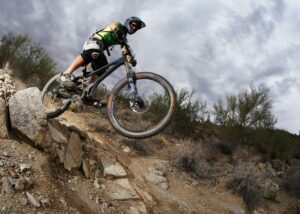
Downhill mountain biking is an exciting sport that combines speed, balance, control, and confidence. Riding down steep trails, navigating rocky paths, and handling sharp corners require more than courage. Every rider needs a strong foundation of essential skills to stay safe and enjoy the experience. Whether you are a beginner or an experienced cyclist, improving your downhill mountain biking techniques can make every ride smoother and more enjoyable. Learning the right habits also helps you handle unexpected obstacles and challenging trail conditions with greater confidence.
Mastering the Proper Riding Position
A balanced riding position is one of the most important skills in downhill mountain biking. Keep your body relaxed, with your knees and elbows slightly bent. Keep your feet level on the pedals and maintain a comfortable grip on the handlebars. Keep your hips centered over the bike while letting your body move naturally with the terrain.
Avoid locking your arms or standing too upright because these habits can reduce control on rough trails. A flexible position helps absorb bumps, maintain balance, and respond quickly to trail changes. Practicing this posture on gentle slopes can help develop better control before attempting steeper descents.
Developing Effective Braking Techniques
Braking correctly is essential for maintaining speed and control during downhill rides. Most mountain bikes use front and rear brakes, and both play important roles in managing momentum. Applying the brakes smoothly helps prevent sudden stops and reduces the risk of losing traction.
Learn to control braking pressure instead of squeezing the levers too hard. Use both brakes when necessary, adjusting pressure according to the trail surface and slope. On loose gravel or muddy sections, gentle braking can help maintain stability. Practice slowing down before corners rather than braking aggressively while turning.
Improving Cornering and Turning Control
Sharp corners are common on downhill mountain biking trails, making cornering an essential skill. Good technique allows riders to maintain balance while moving through turns at a controlled speed. Before entering a corner, look toward the exit rather than focusing directly on the front wheel.
Bend your knees and elbows while keeping your body relaxed. Shift your weight appropriately and allow the bike to lean naturally beneath you. Avoid sudden movements, as they can cause the tires to lose grip. Practicing wide turns on smooth trails builds confidence before progressing to tighter, more technical corners.
Learning to Handle Obstacles Safely
Downhill trails often include rocks, roots, drops, and uneven surfaces. Knowing how to approach these obstacles can improve riding performance and reduce unnecessary risks. Keep your eyes focused ahead so you have time to spot potential challenges and choose a suitable line.
When approaching small obstacles, keep a stable body position and let your bike move underneath you. Keep your arms and legs flexible to absorb impacts. For larger obstacles, learn the correct techniques from an experienced instructor before attempting them independently. Developing good judgment is just as important as improving physical ability.
Building Confidence Through Body Positioning
Confidence plays a major role in downhill mountain biking, especially when riding unfamiliar trails. Riders who remain tense often struggle with balance and quick reactions. Learning to move naturally with the bike makes difficult sections easier to manage.
Keep your weight balanced and adjust your position depending on the terrain. On steep descents, move your hips slightly back while maintaining enough weight over the front wheel for steering control. Avoid leaning too far behind the saddle, as this can reduce traction and make handling unpredictable. Regular practice helps develop natural movements and better trail awareness.
Practicing Line Selection and Trail Awareness
Choosing the right riding line can make a significant difference in downhill performance. A good line helps you avoid unnecessary obstacles, maintain momentum, and move through difficult sections efficiently. Instead of looking only at the ground immediately ahead, scan farther down the trail to prepare for upcoming turns and hazards.
Watch for changing surfaces, loose stones, wet roots, and narrow passages. Whenever possible, select a path that offers better traction and predictable handling. Understanding the trail before increasing speed is a valuable habit for riders of every experience level.
Strengthening Fitness and Bike Handling Skills
Physical fitness supports better performance on demanding downhill trails. Strong legs, a stable core, and flexible upper-body muscles help riders maintain control during long descents. Regular cycling, strength exercises, and balance training can improve endurance and coordination.
Bike maintenance is equally important. Check tire pressure, brake performance, suspension settings, and handlebar controls before every ride. Wear a properly fitted full-face helmet and appropriate protective equipment, including gloves, knee pads, and body armor when needed.
Becoming a More Skilled Downhill Rider
Improving downhill mountain biking skills takes patience, consistency, and smart decision-making. Mastering body positioning, braking, cornering, obstacle handling, and trail awareness creates a strong foundation for safer riding. Start with manageable trails, practice individual techniques, and increase difficulty gradually. With regular training and a well-maintained bike, every rider can build confidence, improve control, and enjoy a more rewarding downhill mountain biking experience.