Mastering Steep Descents on a Mountain Bike


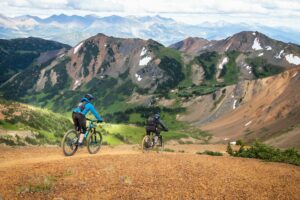
Steep trails demand more than courage because control depends on technique, judgment, and preparation. Mastering steep mountain bike descents starts with understanding how body position, braking, vision, and terrain work together. Riders stay composed when slopes become loose, rocky, or unpredictable. Instead of reacting late, they make deliberate choices before gravity increases speed. That protects traction and leaves room for corrections.
Build a Stable Descending Position
A balanced stance helps riders absorb impacts and adjust. Keep pedals level, heels slightly dropped, and knees and elbows bent. Meanwhile, lower your chest without collapsing toward the handlebars. This mountain bike body position distributes weight between both tires. It also prevents hanging too far behind the saddle.
Moving excessively backward reduces front tire grip and limits steering authority. Instead, let the bike move beneath you while your torso remains calm. On sharper pitches, shift your hips rearward only enough to maintain balance. However, keep pressure through your feet rather than pulling against the handlebars. This platform makes steep terrain predictable.
Control Speed With Better Braking Technique
Good mountain bike braking technique manages momentum before speed becomes overwhelming. Use both brakes smoothly, emphasizing the front brake when traction allows. Apply pressure progressively rather than grabbing either lever suddenly. Because steep ground loads the front tire, controlled braking creates strong stopping force. However, abrupt inputs may break traction.
Brake firmly on stable sections before entering difficult features. Then reduce braking pressure across loose roots, rocks, or ruts. This lets the tires roll naturally over obstacles. If the rear wheel skids briefly, stay relaxed and avoid sudden steering. Above all, control speed early instead of trying to save momentum later.
Look Ahead and Read the Trail
Vision strongly influences balance, timing, and line choice on steep trails. Look toward your intended path instead of staring near the front wheel. Scan ahead, then return to the immediate terrain. This pattern provides information without creating tunnel vision. As a result, you gain time for corners, drops, and changing surfaces.
Effective line choice favors traction, braking space, and direction changes. The shortest route is not always the safest or fastest. For example, a wider line may offer firmer soil and a smoother exit. Likewise, crossing roots at a straighter angle can reduce sideways tire movement. Reading terrain turns technical mountain biking into a series of planned decisions.
Manage Corners on Steep Terrain
Steep corners combine braking, balance, and directional control within limited space. Approach at a speed that lets you release the brakes before turning. Next, rotate your hips and shoulders toward the exit while looking forward. Maintain light pressure on the handlebars instead of forcing the front wheel. This helps both tires follow the arc with grip.
On flat corners, weight the outside pedal and angle the bike beneath you. Bermed turns allow more lean because the bank supports lateral forces. Still, avoid entering faster than traction permits. If a corner feels uncertain, prioritize a clean exit over aggressive entry speed. Consistency builds downhill riding skills faster than luck-based attempts.
Adapt to Rocks, Roots, and Loose Surfaces
Technical descents rarely provide uniform traction from top to bottom. Rocks deflect wheels, while roots become slippery when wet. Loose gravel may also shift beneath tires during braking or turning. Therefore, riders should stay loose enough to absorb unexpected movement. A rigid body transfers impacts and reduces control.
Let your arms and legs act as suspension over rough sections. Keep your head steady while the bike moves. When traction decreases, make braking and steering inputs smaller and smoother. Also, choose momentum carefully because moving too slowly can make obstacles harder. Controlled speed provides stability over hesitant, stop-and-start riding.
Practice Steep Mountain Bike Descents Progressively
Skill grows fastest when practice includes manageable challenges and clear feedback. Start on short slopes with safe runouts before technical lines. Repeat sections while focusing on one element, such as braking points or body position. Then combine improvements as movements become automatic. Progressive practice builds confidence without unnecessary risk.
Walking a difficult section first can reveal hidden rocks, poor exits, or changing traction. It helps riders identify safer lines before committing at speed. If conditions exceed your ability, walking the bike remains a smart decision. Strong riders understand that judgment is part of technical mountain biking. Confidence should come from preparation and control.
Turn Technique Into Reliable Trail Confidence
Mastering steep mountain bike descents requires patience, awareness, and consistent fundamentals. A stable stance supports braking, while forward vision improves timing and line selection. Smooth inputs preserve traction across corners, roots, rocks, and loose soil. Meanwhile, progressive practice helps riders recognize limits without becoming overly cautious. With practice, riders learn to recognize traction changes before those changes become problems. These skills make difficult slopes feel less chaotic.
Before each descent, assess conditions and choose a pace that leaves room for adjustment. Then trust practiced movements instead of making rushed corrections under pressure. Over time, downhill riding skills create efficiency and confidence. The goal isn’t simply to descend faster on every trail. It is riding steep terrain with control, sound decisions, and repeatable technique.