The Fascinating World of Antique Engines: A Collector’s Introduction


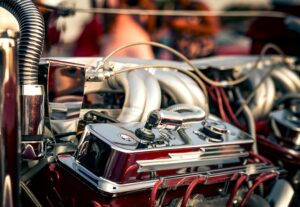
Antique engines continue to inspire collectors who enjoy history, craftsmanship, and the thrill of bringing old machines back to life. The steady rhythm of these engines feels captivating because it connects people to a time when American industries relied on simple but powerful tools. Although technology continues to advance, the charm of antique engines grows stronger as enthusiasts discover the depth of knowledge and creativity that went into early mechanical designs.
Understanding the Appeal of Antique Engines
Antique engines appeal to collectors who value mechanical simplicity and historical significance. These early machines powered farms, mills, and workshops, and each one reflects the resourcefulness of American engineers. When people examine the details, they appreciate the clever solutions that allowed everyday workers to complete essential tasks long before modern engines existed. Because these engines still operate with proper care, collectors experience history in motion rather than reading it in a book.
Furthermore, antique engines create memorable experiences for anyone who watches them run. The sound, motion, and smell of these machines generate an authentic feeling that immediately captures attention. Many people grew up seeing these engines at family farms or county fairs, so restoring one brings back warm memories. Even without personal history, newcomers still feel excitement when they hear the familiar “pop” of a hit-and-miss engine firing to life.
Common Types of Antique Engines
Hit-and-miss engines remain the most well-known models in the hobby. These engines operate with a charming rhythm because they fire only when the speed drops, which makes the sound distinct and enjoyable. Collectors admire these engines for their durability and simple design, making them a popular choice for beginners. Many of them powered small tools such as pumps, grinders, and early household equipment.
Stationary steam engines also attract collectors who enjoy mechanical elegance. The smooth motion of their rods and flywheels looks almost artistic during operation. Although some steam engines appear prominent, many smaller models once powered workshops or small factories. Collectors appreciate the craftsmanship involved in their construction, especially the polished brass and iron that give these engines a striking appearance after restoration.
How to Begin Collecting Antique Engines
New collectors benefit greatly from planning, research, and steady learning. Starting with a clear direction helps you find antique engines that match your skill level and budget. Since the hobby offers endless styles and sizes, beginners often discover that patience leads to better decisions. With time, every collector develops confidence and a deeper understanding of what makes each engine special.
In addition, exploring engine shows, auctions, and online communities helps you learn faster. Meeting experienced collectors introduces you to the best tips, common challenges, and reliable sources for engines and parts. Although the hobby can feel overwhelming at first, friendly collectors are usually happy to share advice, making the early stages enjoyable and rewarding.
What to Look for When Buying an Antique Engine
A careful inspection makes a huge difference when choosing your first engine. Because these machines spent decades in barns, sheds, and fields, their condition varies widely. Checking for cracks, missing parts, and damaged castings ensures that you avoid expensive repairs. Turning the flywheel by hand gives you a quick sense of the internal condition, since smooth movement usually indicates a healthier engine.
Additionally, studying the model and manufacturer helps you understand the engine’s value and the availability of its parts. Some brands enjoy strong support from enthusiast communities, making restoration easier and more enjoyable. When you recognize common issues and typical prices, you make smart purchases and reduce the risks that beginners sometimes face.
Basics of Restoring Antique Engines
Restoring antique engines requires patience, but the process feels exciting from the first moment you begin cleaning away years of dirt and rust. Disassembly reveals how the parts function, and this hands-on experience teaches you more than any manual ever could. Each piece tells a story about the engine’s previous life, helping you appreciate the people who once relied on it daily.
After cleaning, inspection becomes the next crucial step. Rusty bolts, worn bearings, and tired valves often need attention, yet many parts can be revived quickly with proper care. Restoration becomes a balanced mix of cleaning, machining, and repainting. When the engine finally runs again, you feel a sense of accomplishment that makes every hour of work worth the effort.
Finishing and Painting Antique Engines
Painting plays a significant role in bringing antique engines back to life. Most collectors choose original color schemes to preserve authenticity. The bright reds, greens, and yellows used by early manufacturers give restored engines a vibrant, nostalgic look that attracts attention at shows. Proper preparation, including priming and smoothing the cast iron surfaces, ensures a clean finish that lasts for years.
Once the painting is complete, reassembly begins. This stage feels satisfying because the engine transforms quickly. Each bolt, gasket, and moving part returns to its place, and the machine starts to resemble its original form. When everything fits together smoothly, you feel excitement building as you prepare for the first test run.
Joining the Antique Engine Community
The antique engine community makes the hobby even more enjoyable. Collectors gather at shows across the country to demonstrate engines, share techniques, and enjoy friendly conversations. These events create welcoming spaces where newcomers feel included from the start. Because people share a focus on craftsmanship and history, friendships form easily.
Online groups also support collectors year-round. Members share restoration steps, troubleshooting advice, and historical research that helps others identify rare engines. With this support, beginners overcome challenges faster and stay motivated even when projects require extra time or creativity.
Why Antique Engines Make a Lasting Hobby
Collecting antique engines provides lifelong enjoyment because the hobby combines learning, creativity, and a love of history. Each project teaches new skills while offering daily satisfaction. As collectors grow more confident, they seek rare models, larger engines, or complex restorations that expand their abilities. This natural progression keeps the hobby exciting year after year.
In addition, antique engines often appreciate over time, especially for collectors of vintage engines. Well-restored engines appeal to future collectors, so your effort becomes a long-term investment. Many hobbyists pass their engines to children or grandchildren, ensuring that the history and skills continue into the next generation. This lasting impact makes antique engines more than a hobby; it becomes a legacy.