RC Planes and Aviation History, Exploring Flight from Early Wings to Modern Remote Control


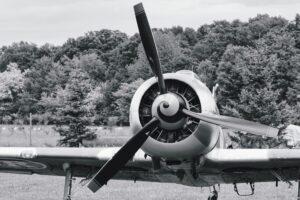
The story of flight has always inspired people. From early dreamers who watched birds in the sky to modern hobbyists flying RC planes, aviation continues to capture imagination. RC planes connect people with the long journey of aviation history. They allow pilots of all ages to feel the thrill of flight while learning about how aircraft developed over time.
Today, RC planes are more advanced than ever. They are easy to fly, widely available, and loved by hobbyists around the world. At the same time, aviation history reminds us how far flight technology has come. When people fly RC planes, they often feel linked to the pioneers who first lifted machines into the air.
Early Dreams of Human Flight
Long before modern aircraft existed, people dreamed about flying. Early inventors studied birds and tried to copy their wings. Leonardo da Vinci sketched flying machines in the 1400s. His ideas were far ahead of his time, but they showed the strong human desire to fly.
In the 1800s, inventors began testing gliders. These aircraft had no engines, but they helped engineers learn about lift and balance. Otto Lilienthal, a German pioneer, made many glider flights and collected important data about wings.
These early experiments built the foundation of aviation history. They showed that flight was possible if the design was correct. This knowledge helped later inventors build powered aircraft.
The Wright Brothers and the First Powered Flight
A major moment in aviation history came in 1903. Wilbur and Orville Wright built and flew the first successful powered airplane. Their aircraft, called the Wright Flyer, lifted off at Kitty Hawk, North Carolina.
The Wright brothers solved several problems that stopped earlier inventors. They learned how to control the aircraft during flight. Their wing design created stable lift, and their control system allowed pilots to turn and balance the plane.
The Wright Flyer stayed in the air for only seconds, but it changed the world. After this moment, aviation developed quickly. Engineers began improving engines, wings, and aircraft structures.
The Growth of Aviation Technology
During the early 1900s, airplanes improved fast. New materials made planes lighter and stronger. Engines became more powerful and reliable.
World War I and World War II pushed aviation technology forward. Aircraft became faster and more advanced. Pilots flew long missions and tested new flight techniques.
After the wars, aviation expanded into commercial travel. Passenger planes connected cities and countries across the world. Airports grew larger, and flight became part of everyday life.
Many aircraft designs from this time later inspired models used in RC planes. Hobby builders often recreate classic aircraft shapes in their remote control designs.
The Rise of RC Planes as a Hobby
RC planes became popular during the mid twentieth century. Early models used simple radio systems and small engines. Pilots controlled them with basic transmitters.
Over time, technology improved greatly. Modern RC planes use lightweight electric motors, strong foam materials, and precise radio systems. These improvements make the hobby easier for beginners.
Many people enjoy RC planes because they combine engineering, creativity, and outdoor fun. Pilots can build their own aircraft or buy ready to fly models.
Flying RC planes also teaches important aviation ideas. Pilots learn about lift, drag, balance, and control surfaces. These are the same principles used in full size aircraft.
Types of RC Planes People Love to Fly
The RC plane hobby includes many different aircraft styles. Some models copy real airplanes from aviation history. Others are designed only for sport flying.
Trainer RC planes are perfect for beginners. They are stable and easy to control. Their wide wings help keep them steady in the air.
Sport RC planes are faster and more agile. Pilots use them for loops, rolls, and aerobatic tricks.
Scale RC planes look like real aircraft. Many hobbyists enjoy building detailed replicas of famous airplanes from aviation history.
Gliders are another popular type. They have long wings and stay in the air using rising air currents.
How RC Planes Help People Learn Aviation
RC planes are more than toys. They help people understand how flight works. Many future engineers and pilots first become interested in aviation through model aircraft.
Flying an RC plane requires planning and skill. Pilots must understand wind, speed, and direction. They also learn how different control surfaces affect movement.
Model clubs and flying fields often welcome beginners. Experienced pilots teach new hobbyists how to fly safely.
Schools and science programs sometimes use RC planes to teach physics. Students can see real examples of lift, thrust, and drag during flight.
This hands on learning makes aviation history feel real and exciting.
Modern Technology in RC Planes
Technology has made RC planes more advanced than ever before. Modern radios use digital signals that improve control and reliability.
Electric motors now replace many older fuel engines. They are quieter, cleaner, and easier to maintain.
Stabilization systems help keep RC planes steady during flight. Some models even include GPS features and return home functions.
Foam construction has also improved durability. Many RC planes survive rough landings without damage.
These technologies allow beginners to enjoy the hobby while still offering advanced options for experienced pilots.
The Future of RC Planes and Aviation Inspiration
The future of RC planes looks bright. New materials and electronics continue to improve model aircraft. Builders experiment with new designs and flying styles.
Some hobbyists even design RC planes using computer modeling and 3D printing. This opens many creative possibilities.
At the same time, aviation history continues to inspire new generations. The story of flight reminds people that great ideas often begin with curiosity and determination.
When someone launches an RC plane into the sky, they take part in a tradition that began more than a century ago. The excitement of watching an aircraft rise into the air still feels magical.
RC planes allow anyone to experience a small piece of that magic while honoring the long and fascinating history of aviation.