Gravity Rush Trails: Mastering the Thrill of Downhill Mountain Biking


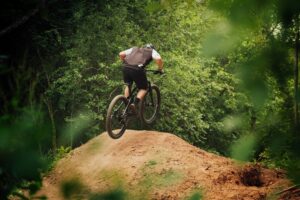
Mountain biking delivers a rush that few outdoor sports can match, especially when riders point their bikes downhill and let gravity take over. The speed, the rough terrain, and the constant need for control create an experience that feels both wild and precise at once. In recent years, more riders have embraced downhill riding as a way to challenge themselves physically and mentally while enjoying nature from a powerful perspective. Because of that, the sport continues to grow across trails, bike parks, and mountain regions in the United States.
The first drop into adrenaline-filled terrain
Every downhill journey starts with a moment of decision at the trailhead. Riders check their gear, tighten helmets, and prepare their bodies for what comes next. Then, once they roll forward, the trail quickly changes everything. Steep slopes, loose gravel, and sharp turns demand instant focus.
As riders descend, downhill mountain biking becomes more than just riding a bike. Instead, it becomes a full-body experience that requires balance, timing, and trust in the equipment. Meanwhile, the terrain keeps shifting, so riders must adjust constantly to maintain control. This combination of movement and reaction creates an unmatched adrenaline rush.
Reading the trail before it controls you
Experienced riders always study the trail before going full speed. They scan for rocks, dips, and hidden turns that could cause trouble. However, conditions can change quickly, especially after rain or heavy use.
As a result, riders learn to “read” the terrain as they move. For example, loose dirt signals slower braking, while packed soil allows faster acceleration. In addition, shadows on the trail can hide obstacles, so riders often adjust their body position to improve visibility.
Smoothly transitioning between sections also helps maintain control. Therefore, riders keep their eyes ahead by a few meters rather than focusing only on the front wheel.
Gear that keeps speed under control
Safety and performance depend heavily on equipment. Riders rely on strong frames, wide tires, and advanced suspension systems to handle rough terrain. Without the right setup, downhill riding becomes risky very quickly.
A properly tuned mountain bike suspension absorbs shocks from rocks and drops, which helps maintain stability. Meanwhile, disc brakes provide reliable stopping power even on steep slopes. Gloves, knee pads, and full-face helmets also protect riders during falls or sudden impacts.
Additionally, many riders adjust tire pressure depending on the trail. Lower pressure increases grip, while slightly higher pressure boosts speed on smoother sections. Small adjustments like these often make a big difference in performance.
The role of body movement in control
Downhill biking requires more than strong legs. It demands full-body coordination. Riders shift their weight constantly to stay balanced, especially when hitting uneven terrain.
For instance, leaning back helps during steep descents, while leaning forward improves control on sharp climbs or transitions. At the same time, riders keep their elbows and knees slightly bent to naturally absorb shock.
Because of this active movement, riders often compare the experience to dancing with the trail. Every motion connects to the next one, and timing becomes critical. When everything aligns, the ride feels smooth even at high speeds.
Trails that test skill and confidence
Not all trails offer the same challenge. Some are designed for beginners, while others push advanced riders to their limits. Bike parks often include graded sections that allow riders to improve their skills gradually.
Technical trails usually include rocks, roots, and tight corners. In contrast, flow trails focus on smooth curves and rhythm-based riding. Both styles help riders build confidence, but they require different approaches.
As riders progress, they often seek more challenging routes. Consequently, they travel to mountain regions known for legendary trails, where the drop in elevation creates intense downhill runs. These experiences help riders refine technique and build mental resilience.
The mental focus behind every descent
Downhill biking is not just physical. It also demands strong mental focus. Riders must stay calm even when speed increases or terrain becomes unpredictable. Panic often leads to mistakes, so controlling emotions matters as much as controlling the bike.
Breathing techniques help maintain focus during long descents. In addition, experienced riders learn to trust their training rather than react with fear. This mindset allows smoother decision-making in high-pressure moments.
Interestingly, many riders describe the experience as meditative. Even though the ride feels fast and chaotic, the mind becomes highly focused on the present moment.
Community trails and shared experiences
Mountain biking also builds strong communities. Riders often meet at trail parks, weekend events, or group rides. These gatherings encourage learning and help beginners improve faster.
More experienced riders frequently share advice on technique, bike setup, and trail safety. As a result, newcomers feel more confident exploring challenging routes. In addition, group rides add a social element, making the sport more enjoyable.
Online communities also play a big role. Riders share videos, trail updates, and gear reviews. This exchange of information helps the sport grow and keeps riders connected even when they are not on the trail.
Why downhill riding continues to grow
The popularity of downhill riding continues to grow because it offers something rare: a mix of adventure, fitness, and freedom. Riders enjoy the thrill of speed, but they also appreciate the connection to nature and the sense of achievement after completing a difficult trail.
Furthermore, advances in bike technology have made the sport more accessible. Modern designs reduce impact, improve control, and support riders of different skill levels. As a result, more people feel encouraged to try it.
Ultimately, downhill riding delivers a unique combination of challenge and excitement. It pushes riders to improve while giving them unforgettable outdoor experiences.