Create Studio-Quality Sound With Smart Pro Tools Mixing Techniques


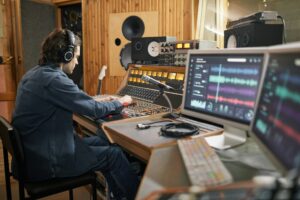
Great music does not happen by accident. Every polished song starts with a creative idea, but it reaches its full potential through careful mixing and production. Whether you record in a home studio or a professional space, learning mix session optimization can help every track sound cleaner and more balanced. Pro Tools remains one of the most trusted digital audio workstations because it gives producers the flexibility to shape music with precision while still encouraging creativity. With patience, practice, and the right workflow, anyone can improve the quality of their recordings and build songs that connect with listeners.
Building a Strong Foundation Before Recording
Every successful production begins before the record button is pressed. A well-prepared session saves time and reduces mistakes later. Therefore, organize your tracks, label every channel clearly, and set recording levels before musicians arrive. This simple preparation allows everyone to focus on the performance instead of solving technical problems.
The recording environment also matters. Even expensive equipment cannot hide poor room acoustics or background noise. Instead, use basic sound treatment, reduce outside distractions, and place microphones carefully. As a result, every recording starts with a cleaner source, making the mixing process much easier from beginning to end.
Capturing Performances That Feel Natural
Technology can improve a recording, but it cannot replace emotion. Because of this, producers should encourage musicians to deliver confident performances before thinking about editing. A great vocal or guitar take often requires fewer corrections later, which helps preserve the natural energy of the song.
At the same time, communication plays an important role in every recording session. Producers who create a relaxed atmosphere usually receive stronger performances. Artists often perform better when they feel comfortable, and that confidence becomes part of the final recording.
Organizing Every Layer With Purpose
As projects become larger, organization becomes even more valuable. Group similar instruments together, create color-coded tracks, and save different versions throughout the session. These habits prevent confusion while making revisions much faster.
Templates also help speed up future projects. Instead of creating every session from scratch, producers can build templates that include routing, favorite plugins, and commonly used effects. Consequently, more time goes toward creativity instead of repetitive setup work.
Shaping Every Instrument Into Balance
Mixing is not about making every instrument louder. Instead, it is about helping each sound fit naturally within the song. Equalization removes unnecessary frequencies, while compression controls changing volume levels without removing musical expression.
Panning also creates space across the stereo field. By placing instruments thoughtfully from left to right, producers give listeners a wider and more engaging experience. During this stage, frequency masking control becomes especially important because it prevents instruments from competing for the same sonic space, allowing each part to remain clear and easy to hear.
Adding Depth Through Creative Effects
Effects should enhance a song rather than distract from it. Reverb creates a sense of space, while delay adds movement and character. However, using too much of either effect can make a mix feel muddy or distant.
Instead, apply effects with intention. For example, a short room reverb can add warmth to vocals without overwhelming the performance. Likewise, subtle delay often creates a fuller sound while keeping important lyrics easy to understand.
Automation provides another powerful creative tool. Producers can gradually raise a vocal during a chorus, soften background instruments during verses, or increase effect levels only where they improve emotion. These small changes often make a song feel more dynamic and alive.
Improving Decisions With Fresh Listening
Even experienced engineers need breaks. After listening to the same song for hours, the ears naturally become less sensitive to small details. Therefore, step away from the session for a short time before making final decisions.
Reference tracks also improve judgment. Compare your mix with professionally released songs that share a similar style. Focus on overall balance, clarity, and energy rather than copying every sound. This habit builds stronger listening skills and creates more consistent results over time.
Preparing Music for Every Platform
Today’s music reaches listeners through streaming services, social media, radio, and personal devices. Because every platform plays music differently, producers should test mixes on several playback systems before releasing a project.
Check the song using headphones, studio monitors, laptop speakers, and car audio. If the music sounds balanced everywhere, it will likely perform well for most listeners. In addition, avoid pushing loudness too far because modern streaming services automatically adjust playback volume. A balanced master often creates a better listening experience than an overly compressed one.
Growing Skills Through Every Project
Every recording session offers another opportunity to improve. Some projects teach better editing techniques, while others strengthen communication or creative problem-solving. During the final mastering stage, loudness normalization standards help producers prepare music that translates well across streaming platforms while maintaining natural dynamics and consistent playback quality.
The journey toward professional music production never truly ends. However, steady practice, careful listening, and thoughtful decision-making produce lasting results. Pro Tools continues to support producers because it combines reliable technology with creative flexibility. As your experience grows, your confidence will grow as well. Eventually, each finished song becomes proof of your progress, your dedication, and your passion for creating music that people genuinely enjoy.