Car Racing: Speed Demons Inside the Fast-Paced World of Motorsport


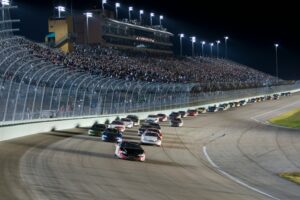
Car racing captures attention like no other sport because it combines speed, precision, and raw adrenaline. Fans watch in awe as drivers push limits and machines roar across tracks at incredible speeds. Moreover, each race delivers a mix of strategy and excitement that keeps audiences engaged from start to finish. Car racing continues to grow worldwide, and its fast-paced nature attracts both new fans and seasoned enthusiasts. As a result, the sport stands as a powerful symbol of innovation, competition, and human determination.
The Origins and Growth of Car Racing
Car racing started in the late 19th century as a simple test of speed between early automobiles. Drivers competed on open roads, often in dangerous conditions, with no safety measures in place. However, as technology improved, organizers created structured events and dedicated tracks. Therefore, car racing evolved into a more organized and professional sport that drew larger audiences.
Over time, the sport expanded across continents and developed unique racing styles. For example, Formula 1 became known for cutting-edge engineering, while NASCAR focused on close competition and endurance. Meanwhile, endurance races like Le Mans challenged both drivers and machines over long distances. As a result, car racing gained global recognition and built a diverse fan base that continues to grow.
Engineering Excellence in Car Racing
Engineering plays a central role in car racing because every detail affects performance. Teams design cars to maximize speed, stability, and efficiency. Aerodynamics help reduce drag, while lightweight materials improve acceleration. In addition, engineers test components constantly to ensure reliability during intense races.
Furthermore, innovation drives competition among teams. Each team looks for small advantages that can lead to victory. For instance, tire performance, suspension tuning, and engine efficiency all influence race results. As a result, engineering remains at the heart of car racing, shaping both strategy and success on the track.
The Mental and Physical Strength of Drivers
Car racing demands exceptional mental focus and physical endurance from drivers. They must react quickly to sudden changes on the track while maintaining control at high speeds. Moreover, drivers train regularly to build strength and improve reflexes. This preparation helps them handle the intense conditions of racing.
In addition, drivers face extreme pressure during competitions. They must make decisions in seconds while competing against skilled opponents. However, top drivers stay calm and focused under stress. As a result, their ability to think clearly often determines the outcome of a race. This balance of mental and physical skill defines success in car racing.
The Power of Teamwork in Car Racing
Car racing may appear to focus on drivers, yet teamwork drives success behind the scenes. Pit crews perform precise tasks in seconds, saving valuable time. Engineers and strategists also work closely to support the driver. Therefore, every team member plays an important role.
Moreover, communication keeps the team connected during races. Drivers rely on updates from engineers to make informed decisions. As a result, strong teamwork creates a competitive advantage. This collaboration highlights that car racing depends on coordination as much as individual talent.
Strategy and Decision-Making on the Track
Strategy plays a crucial role in car racing because races often depend on smart decisions. Teams carefully plan pit stops, tire changes, and fuel usage. Moreover, they adjust strategies based on track conditions and competitor actions. These decisions can change the course of a race in seconds.
Drivers must adapt to unexpected situations during races. Weather changes, accidents, and mechanical issues create challenges. Therefore, quick thinking becomes essential. As a result, successful teams combine planning with flexibility. This approach allows them to respond effectively and stay competitive throughout the race.
The Energy and Atmosphere of Race Events
Race events create a unique and powerful atmosphere that draws fans from around the world. The roar of engines, the speed of cars, and the excitement of competition fill the air. Moreover, fans feel connected to the action as they watch drivers compete at high speeds.
In addition, live events offer unforgettable experiences. Fans enjoy the thrill of close finishes and dramatic moments. Therefore, race day becomes more than just a sporting event. As a result, car racing builds strong emotional connections with its audience and creates lasting memories.
Safety Innovations in Modern Car Racing
Safety improvements have transformed car racing over the years. Engineers design cars with protective structures that reduce the risk of injury. In addition, tracks include safety barriers and advanced monitoring systems. These measures help protect both drivers and spectators.
Furthermore, safety gear has improved significantly. Drivers wear helmets, fire-resistant suits, and harness systems. As a result, modern car racing is much safer than in the past. However, the sport still involves risk, which adds to its intensity and excitement.
The Cultural and Economic Influence of Car Racing
Car racing influences culture and industry worldwide. Many automotive innovations begin in racing before reaching consumer vehicles. For example, advancements in safety and performance often come from the track. Therefore, car racing contributes to the development of everyday cars.
In addition, major racing events boost local economies. Cities that host races attract tourists and media attention. As a result, these events generate revenue and create jobs. This impact shows that car racing extends beyond entertainment and plays a role in economic growth.
The Rise of Electric and Sustainable Racing
The future of car racing will focus heavily on sustainability. Electric racing series, such as Formula E, showcase new technology and eco-friendly solutions. These races maintain speed and excitement while reducing environmental impact. Therefore, the sport adapts to modern challenges.
Moreover, teams explore alternative fuels and energy-efficient designs. As a result, car racing leads innovation in sustainable transportation. This shift ensures that the sport remains relevant in a changing world. It also attracts new fans who value environmental responsibility.